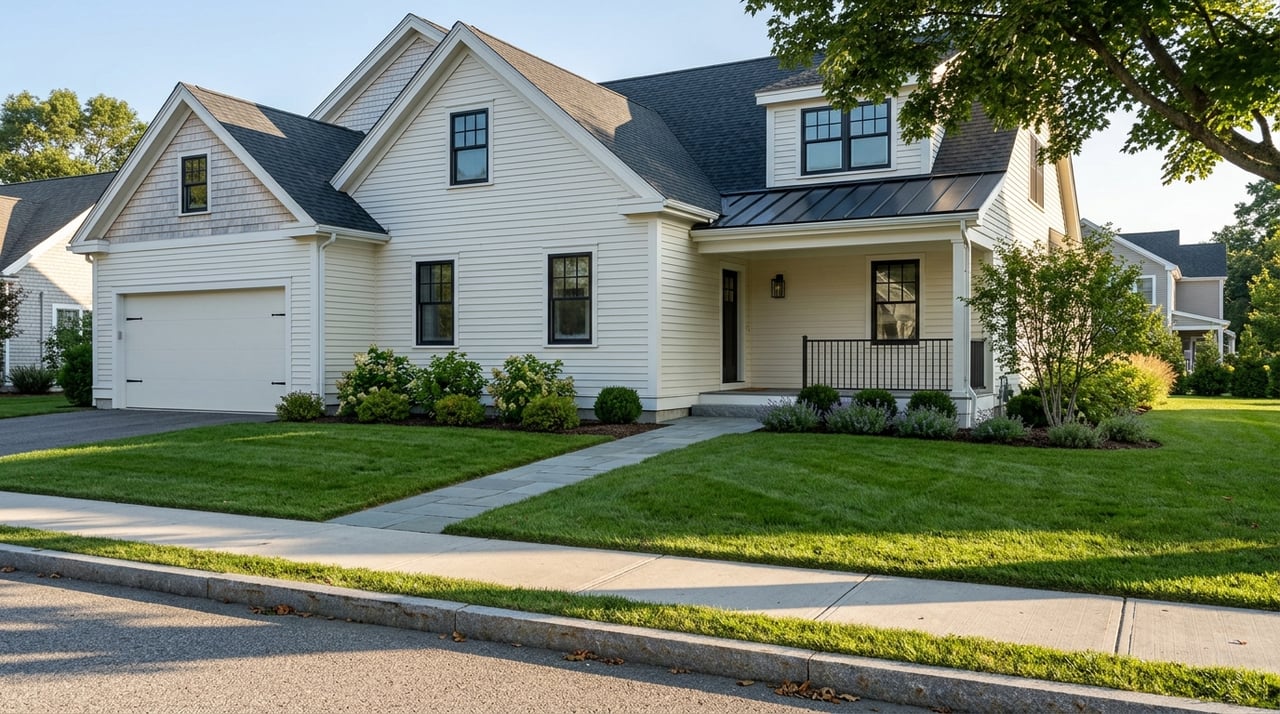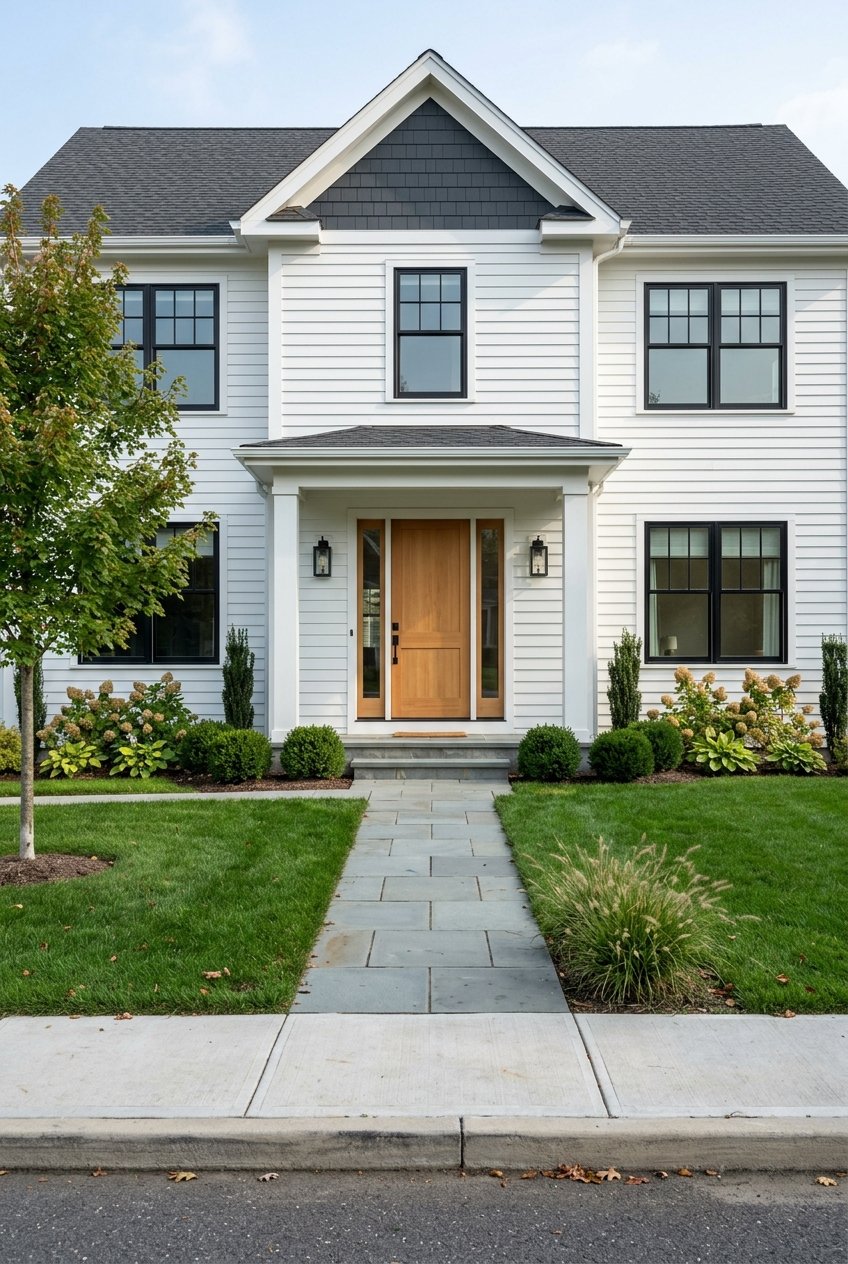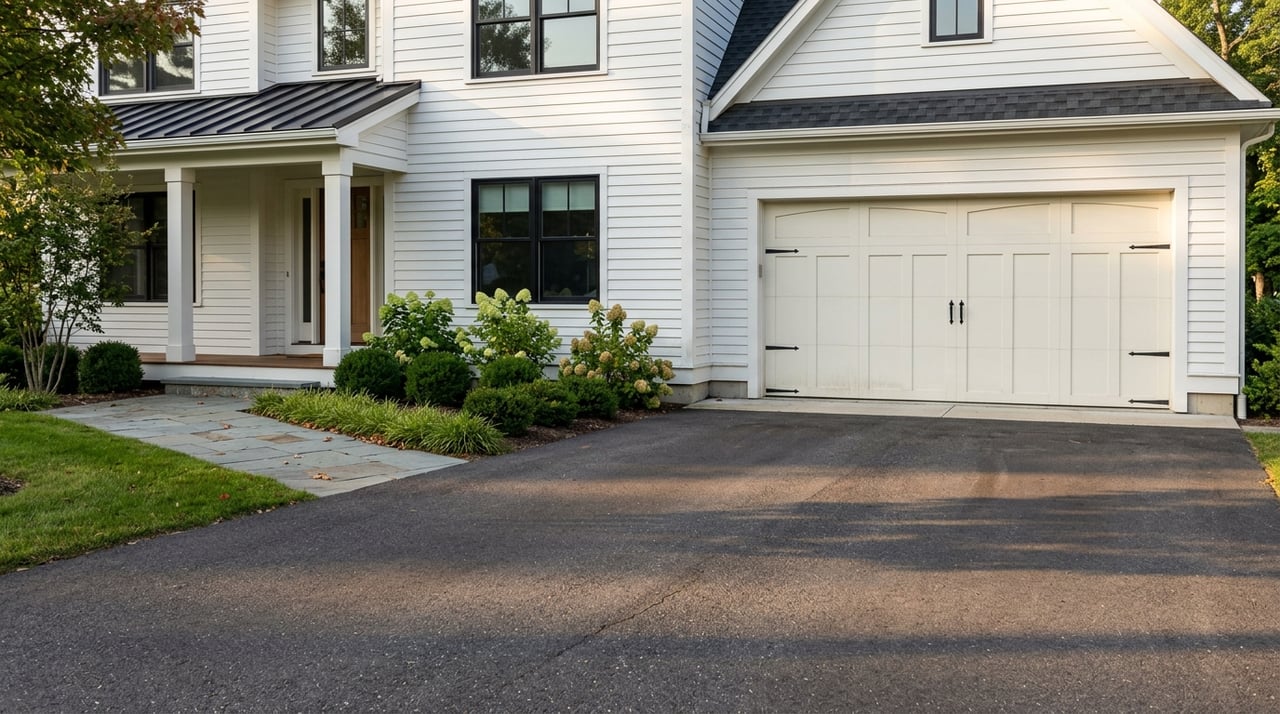
Thinking about buying a brand-new home in Farmington? In a market where homes can move quickly and inventory stays tight, new construction can look like a smart path to getting the space, layout, and finishes you want. The tradeoff is that buying a new build often comes with more contract details, more timing questions, and more local research than a typical resale purchase. This guide will help you understand how new construction works in Farmington, what to watch for before you sign, and how to plan your budget with fewer surprises. Let’s dive in.
Why New Construction Appeals in Farmington
Farmington remains a competitive housing market, which is one reason many buyers explore new construction. Zillow reported an average home value of $496,279 as of May 31, 2026, with homes going pending in about 5 days. Realtor.com’s March 2026 snapshot also described Farmington as a seller’s market, with 52 homes for sale, a median listing price of $572,000, and homes selling at about 103% of asking price.
While the exact numbers vary by source, the overall message is consistent. Buyers in Farmington are dealing with limited inventory and solid competition, so a new build can offer another path when resale options feel too tight. For some buyers, that extra opportunity is worth the added complexity.
How Farmington’s Zoning Affects New Builds
With resale homes, you are usually evaluating a finished property. With new construction, the lot itself matters much more. Farmington has multiple residential zoning districts, including R80, R40, R30, R20, R12, and R9, along with AH and SA zones.
The town also allows cluster or open-space subdivisions in some residential zones by special permit, and it includes an active-adult housing zone in its regulations. On top of that, certain parcels may fall within overlay areas such as flood protection, flood perimeter, aquifer protection, ridgeline protection, and airport approach zones. That means one lot may be straightforward to build on, while another may carry extra limits or approvals.
Why Parcel Research Matters
In Farmington, parcel-by-parcel feasibility is a real issue. Two properties that look similar on paper may have very different development paths because of zoning rules, overlays, or permit status. If you are considering a newly built home or one that has not been completed yet, it helps to look beyond the marketing sheet.
The town offers useful public tools for this. Buyers can review GIS mapping, property records, town maps, online permits, and the pending-applications page to track local activity and spot potential upcoming supply.
Where to Find Active Projects
If you want to find new construction opportunities in Farmington, public town resources can be more useful than ads alone. The pending-applications page, for example, currently shows items such as a new single-family home and pool house at 10 Main Gate. That kind of information can give you a better sense of what may be coming to market.
Here are a few local tools worth checking as part of your search:
- GIS mapping
- Property-record search
- Town zoning maps
- Online permit records
- Pending-applications page
These tools can help you understand whether a project is proposed, approved, under construction, or nearing completion. That context matters when you are trying to estimate timing and risk.
What Connecticut Requires From Builders
Connecticut has specific rules that shape new construction purchases. New-home builders must be registered with the Department of Consumer Protection, and that registration certificate is required before a building permit may be issued. DCP also says the registration expires annually on March 31.
Before you sign a contract, the builder must give you a copy of the registration certificate and a written notice explaining that registration is not an endorsement of quality. The notice also tells consumers to check complaint history and ask for recent references from homes completed in the previous 24 months.
What Counts as a New Home
Connecticut’s definition of a new home is broader than some buyers expect. It includes a new single-family dwelling, a new two-family unit, or a new condominium unit. So whether you are buying a detached home, a duplex-style property, or a newly built condo, the same basic consumer-protection framework applies.
What to Verify Before Signing
Because a new construction contract is a major commitment, the pre-signing stage is critical. You should make sure you understand exactly who the builder is and what protections apply.
A smart checklist includes:
- Confirm the builder’s DCP registration
- Review any complaint history available through DCP
- Ask for references from homes completed in the last 24 months
- Read the full builder contract carefully
- Review deposit terms in detail
- Ask who handles service issues after closing
- Ask whether the builder has a customer-service policy
Know This: No 3-Day Cancellation Rule
One of the most important Connecticut rules surprises many buyers. There is no 3-day cooling-off period for new home construction contracts in Connecticut. Once you sign, you should not assume you can simply change your mind a few days later without consequences.
That makes contract review especially important. Before signing, you should understand deposit terms, upgrade commitments, timing expectations, and what happens if construction is delayed.
Inspections Still Matter on New Construction
A brand-new home may look spotless, but that does not mean you should skip an inspection. Connecticut requires home inspectors to be licensed by DCP, and both CFPB and HUD recommend an independent inspection as part of the buying process.
This is especially important when the home is not yet complete at the time you go under contract. Construction timelines, punch-list items, and final approvals can all affect your closing experience.
Contingencies to Discuss Early
For homes that are still being built, CFPB advises buyers to make offers contingent on financing and a satisfactory inspection. It also advises buyers to ask about the conditions for recovering any builder deposit.
That means you should discuss these points early:
- Financing contingency terms
- Inspection contingency terms
- Deposit refund conditions
- Estimated completion timing
- What must happen before a Certificate of Occupancy is issued
Farmington Permits and Closing Timelines
Farmington requires permits to be filed online, and inspections are part of closing out permits through Certificates of Approval or Certificates of Occupancy. For a ground-up new residential dwelling, the town charges a $15 Certificate of Occupancy fee.
The town’s fee schedule also includes a building fee of $15 per $1,000 of work value, plus a $60 zoning fee when the footprint moves outward or a structure is added to the plot plan. These details matter less if you are buying from a builder with pricing already set, but they still help explain how local approvals and construction value can shape the overall project.
Why New-Build Timelines Can Shift
With a finished resale, you can usually see the exact condition of the home and close on a more predictable schedule. With new construction, there is often more uncertainty because the home may still be under construction when the contract is signed. Permits, inspections, and occupancy sign-off can all affect the final timeline.
That does not mean new construction is a poor choice. It just means you should go in with realistic expectations and leave room for schedule changes.
Budget Beyond the Base Price
When buyers compare new construction to resale, they often focus on the base purchase price first. In reality, the full cost picture can be wider. Upgrades and higher-end finishes may affect not only what you pay the builder, but also long-term carrying costs.
In Farmington, permit fees are tied to construction value, and property taxes are based on assessed value. The town calculates taxes using assessed value, which is 70% of market value, multiplied by the mill rate. That means upgrades are not always just design choices. They can affect the economics of the purchase in more than one way.
Farmington Tax Timing to Watch
Farmington also notes that incremental bills for newly constructed homes are issued between July and January each year. If you are buying a newly built home, that timing can catch you off guard if you only budget based on the first bill you see at closing.
The town also states that the revaluation effective October 1, 2026 will first affect tax bills on July 1, 2027. Its mill-rate history shows 27.36 mills for the October 1, 2025 grand list, while FY 2026/2027 budget materials proposed 27.55 mills. If you expect to close in late 2026, it is wise to confirm how your post-closing tax bill may change.
Builder Lenders Are Optional
Some builders encourage buyers to use an affiliated lender, sometimes with incentives attached. That may work well in some cases, but it is not your only option. CFPB states that you do not have to use a builder-affiliated lender.
Shopping around can help you compare rates, fees, and loan structures. Even if you end up using the builder’s preferred lender, it helps to know how the offer compares.
New Construction vs. Resale in Farmington
For many buyers, the real question is not whether new construction is good or bad. It is whether it fits your priorities better than resale.
New construction often appeals if you want:
- More customization
- Fewer immediate repair surprises
- A one-year statutory warranty framework
- Modern layouts and finishes
Resale may be a better fit if you want:
- A fully visible, known property
- More certainty around move-in timing
- A broader selection of existing homes
- Fewer unknowns during construction
In Farmington, that decision is even more specific to the property because zoning, overlays, permits, and approval status can vary from parcel to parcel.
Understand the Warranty Framework
Connecticut gives the original purchaser express and implied one-year warranties when a builder sells a new single-family home or condominium unit. The sales contract and deed cannot waive those warranties. That gives buyers a clearer legal framework than they often get with an older resale home.
If a homeowner cannot collect from a registered builder, DCP also administers the New Home Construction Guaranty Fund. In eligible cases, the fund may reimburse up to $50,000, but only after the homeowner has obtained a judgment or arbitration award and met other collection requirements.
A Practical Approach for Buyers
Buying new construction in Farmington can be a strong move if you want a newer home and are prepared for a process with more moving parts. The key is doing your homework before you sign, not after. Builder registration, contract terms, independent inspection, local permit status, and tax timing all deserve careful attention.
When you approach the purchase with a clear plan, new construction becomes easier to evaluate. You can weigh the benefits of customization and warranty coverage against the realities of deposits, timing shifts, and local approvals. That kind of preparation can help you make a confident decision in a competitive Farmington market.
If you are comparing new construction with resale in Farmington or anywhere in Hartford County, the Burgio Sousa Team can help you sort through the details, evaluate your options, and move forward with clear guidance.
FAQs
How competitive is the Farmington housing market for new construction buyers?
- Farmington remains a competitive market, with Zillow reporting homes going pending in about 5 days as of May 31, 2026, and Realtor.com describing the town as a seller’s market in March 2026.
How can you find new construction projects in Farmington, CT?
- You can use Farmington’s GIS mapping, property-record search, zoning map, online permit system, and pending-applications page to track active and upcoming projects.
Do you need a home inspection for a new construction home in Connecticut?
- Yes. Connecticut licenses home inspectors through DCP, and independent inspections are still recommended for new construction.
Can you cancel a new construction contract in Connecticut after signing?
- No automatic 3-day cooling-off period applies to new home construction contracts in Connecticut, so it is important to understand the agreement before you sign.
Do you have to use the builder’s lender for a new build in Farmington?
- No. Buyers can choose whether to use a builder-affiliated lender or shop for another financing option.
What warranty protections apply to new homes in Connecticut?
- Connecticut gives the original purchaser express and implied one-year warranties for new single-family homes and condominium units, and those warranties cannot be waived in the contract or deed.
How are property taxes handled for newly built homes in Farmington?
- Farmington calculates taxes using assessed value at 70% of market value times the mill rate, and incremental tax bills for newly constructed homes are issued between July and January.
What is the biggest difference between buying new construction and resale in Farmington?
- New construction often offers customization and warranty protection, while resale usually provides a more predictable timeline and a fully visible home condition at the time of purchase.