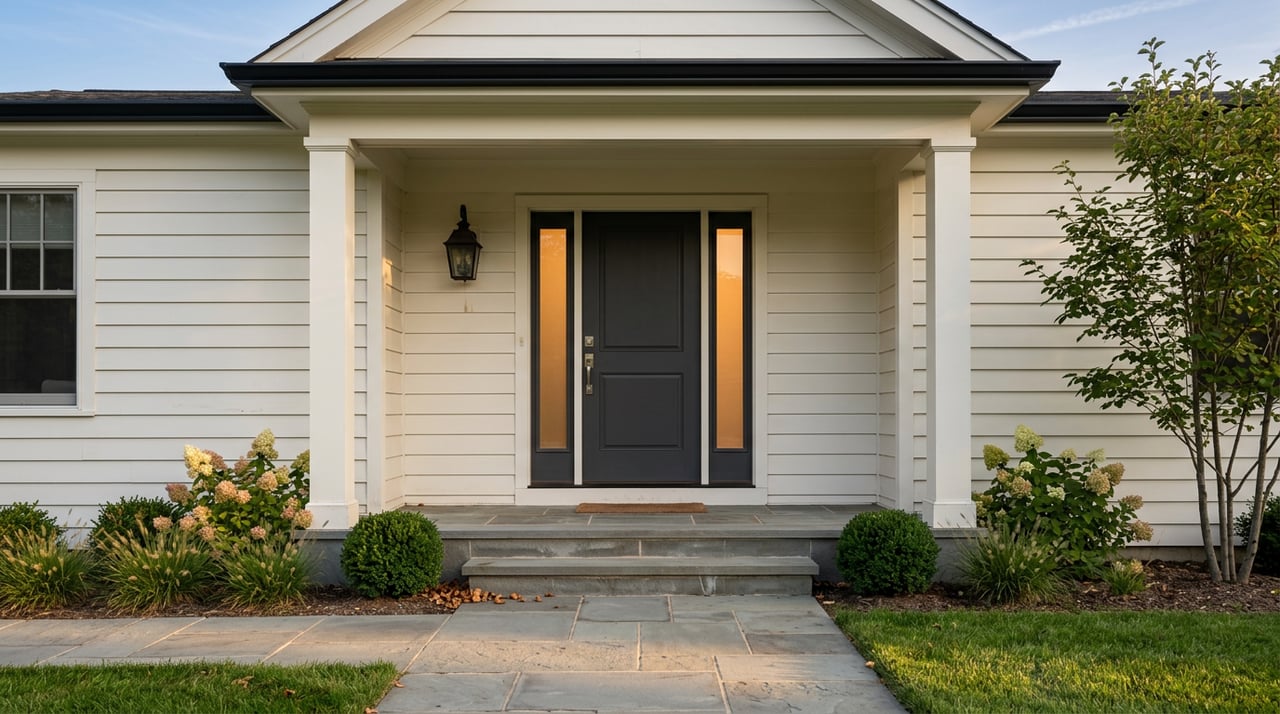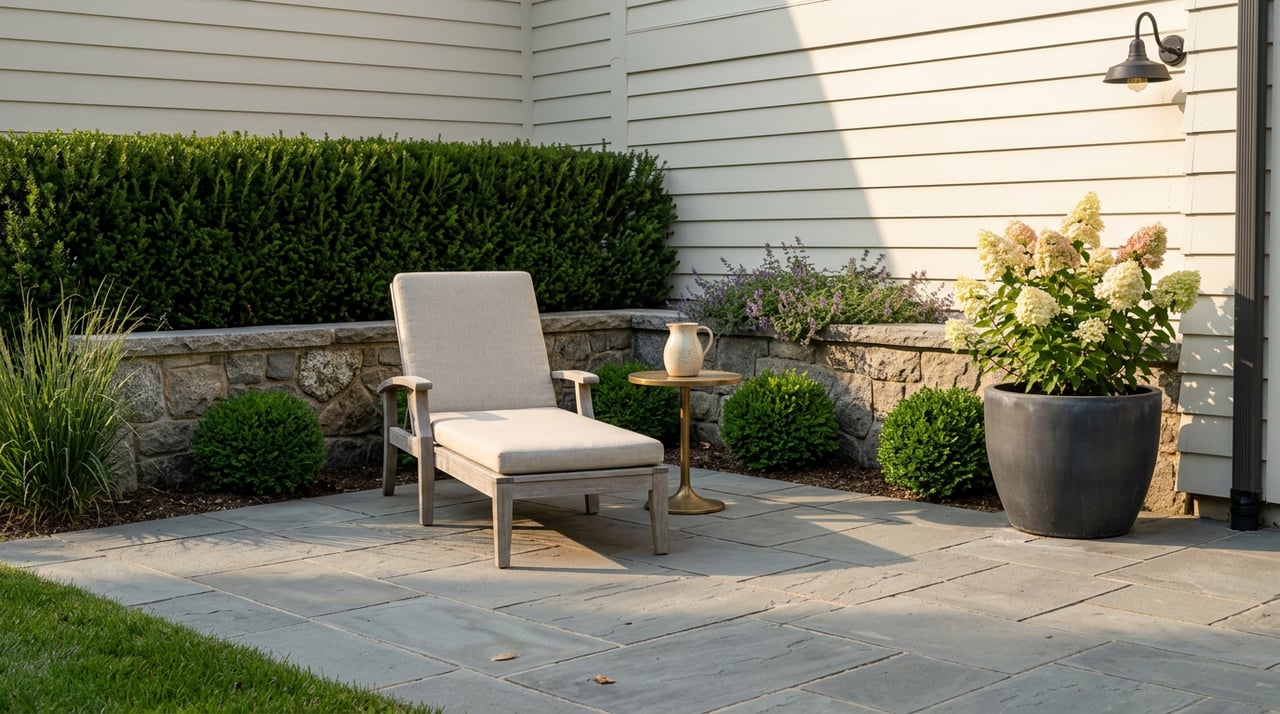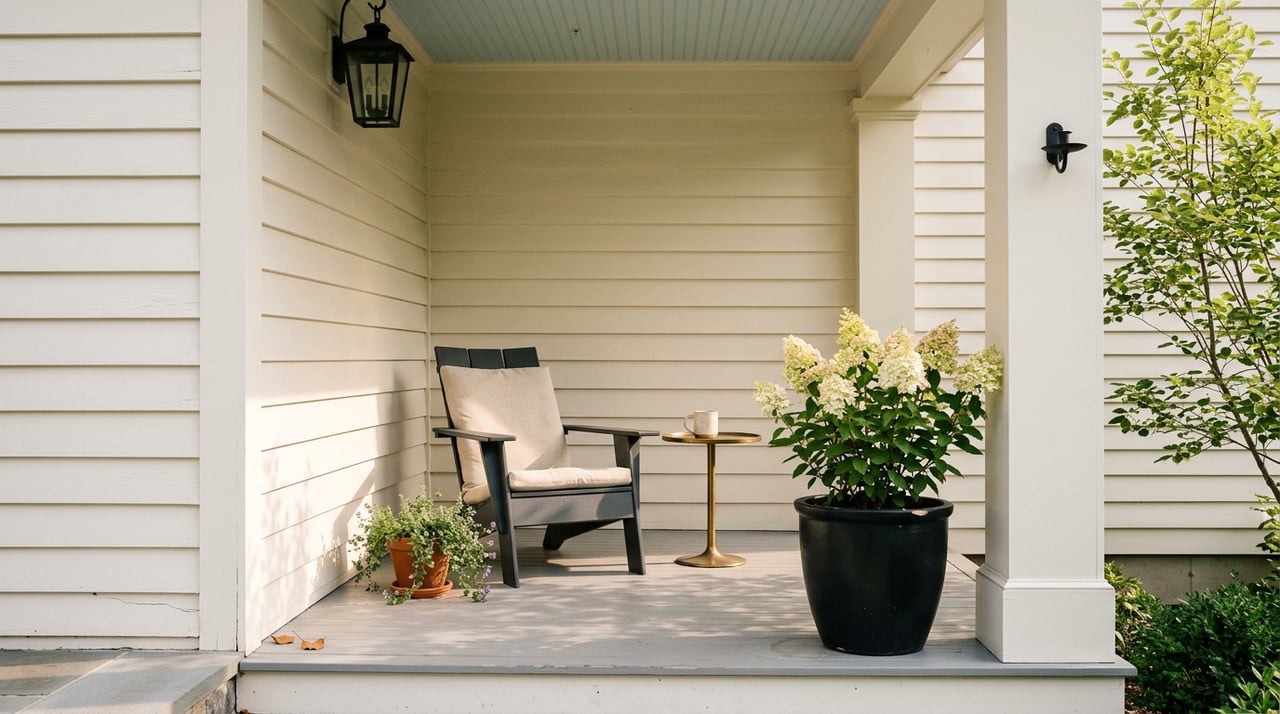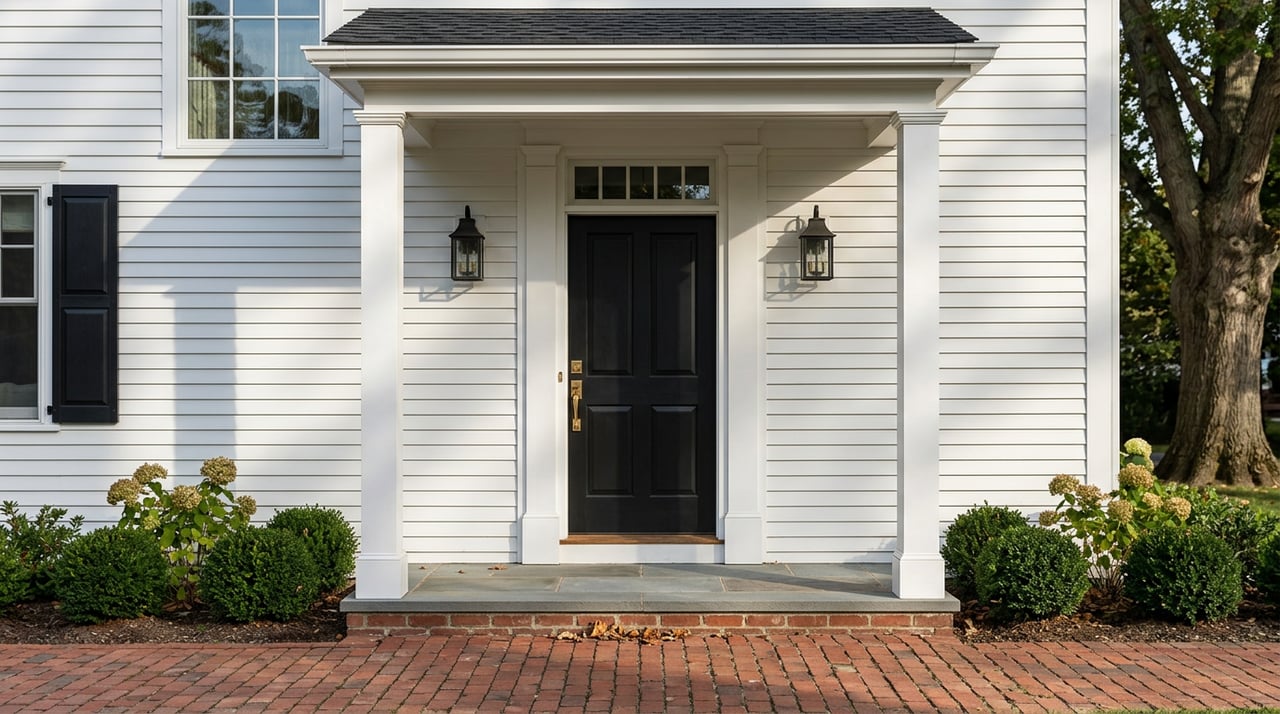
If you love clapboard colonials, brick sidewalks and a village green where neighbors actually gather, Old Wethersfield will feel like it is made for you. At the same time, buying or renovating in a local historic district can raise smart questions about permits, timelines and resale. In this guide, you will learn how the district works, what homes and streets feel like, what to expect from the market, and the steps that make a historic purchase smooth. Let’s dive in.
What counts as “Historic Wethersfield”
Old Wethersfield is the town’s formally designated local historic district, created by town statute in 1962 and later listed on the National Register of Historic Places. The district is large, covering roughly 1,300 acres and more than 1,200 buildings with many 18th and early 19th century houses. You can explore the district’s goals and boundaries in the town’s preservation plan, The Plan of Preservation and Protection for the Historic District. The plan details the district’s history and protections.
Two National Historic Landmark homes anchor the village: the Joseph Webb House and the Silas Deane House, along with the Isaac Stevens House, all part of the Webb Deane Stevens Museum campus. These houses operate as active museums and a community hub. Learn more about tours and programs on the Webb Deane Stevens Museum page.
Why this matters for you: the district’s identity and museums draw visitors and support long term character. Locally, a Historic District Commission (HDC) reviews visible exterior changes, which can affect your renovation choices, permitting timeline and potentially property values over time. The next sections explain how that works in practice.
Neighborhood feel and architecture
Old Wethersfield village core
The village center clusters around the Broad Street Green and Main Street. You will find period homes alongside cafés, small shops and cultural sites, all in a compact, walkable pattern that hosts festivals and seasonal events. To preview retail and event activity, browse the Old Wethersfield Shopkeepers listings. Annual highlights often include Scarecrows Along Main and Cornfest.
Homes beyond the Green
Beyond the historic core, Wethersfield offers mid century neighborhoods, postwar subdivisions and higher density corridors such as segments along Silas Deane Highway. These areas include multi family housing and newer construction, which gives you more variety at different price points. The town’s preservation plan notes this mix and shows how four centuries of growth shaped today’s streets. For a deeper look, see the preservation plan.
Architectural styles you will see
Walking Old Wethersfield, you will spot:
- Colonial, Georgian and Federal era homes with symmetrical facades and central chimneys.
- Greek Revival entries and trim on early 19th century houses.
- Victorian examples, including Italianate brackets and Queen Anne details.
- Later Colonial Revival touches on porches, dormers and trim.
The museum houses are excellent reference points for these styles. The Webb and Silas Deane houses, for example, illustrate the period craftsmanship that drives buyer interest today. You can learn more about those examples on the Webb Deane Stevens Museum site.
Market snapshot and what “historic” means for value
Recent sales data shows Wethersfield’s median sale price around 418,000 dollars, with typical home values in the low to mid 400,000s by broader value indexes. The market is described as competitive, with many homes selling near or slightly above list price. Micro conditions matter, especially in the historic district. A well restored period home with documented improvements often attracts buyers who will pay for authenticity and condition. Homes that need modernization, or that require extensive exterior work subject to commission review, may trade at a discount relative to renovated peers because of renovation cost and timeline.
Research on historic districts across the country suggests that well managed local historic districts often stabilize or modestly lift property values over time, though outcomes vary by city and market conditions. For a concise overview of preservation benefits, see Preservation Connecticut’s summary of economic impacts.
Renovating in Old Wethersfield: rules and timelines
In Wethersfield, the Historic District Commission (HDC) regulates visible exterior changes in the local historic district. Interior renovations are generally outside the HDC’s scope, and ordinary maintenance that does not change appearance typically does not require review. National Register status is honorary for private owners, while the local HDC is what enforces appearance rules.
Here is what usually needs a Certificate of Appropriateness (COA) when visible from a public way:
- Window or door replacement
- Siding changes or re facing
- Additions, decks and new porches
- New garages, accessory structures and fences
Visit the town’s HDC FAQ for examples and definitions. The page also outlines meeting schedules and contacts for pre application discussions. Review the Historic District Commission FAQ.
Process and timing basics:
- The HDC meets regularly, with a typical review window of about two weeks to two months depending on project complexity.
- A COA is usually valid for one year.
- The HDC encourages early conversations with the Historic District Coordinator, which can streamline your submittal and reduce surprises.
If you are planning a purchase that includes exterior work, build COA time into your renovation schedule, and confirm sequencing with your contractor and the HDC coordinator before you close.
Old home health, safety and comfort
Lead paint and safe work
Homes built before 1978 fall under federal lead disclosure rules for sales and leases. Sellers must provide the EPA and HUD pamphlet “Protect Your Family from Lead in Your Home” and disclose known hazards. If you plan to renovate, budget for lead testing and require lead safe work practices from your contractors. You can download the EPA lead safety pamphlet here.
Electrical systems and insurance
Many historic homes retain older wiring such as knob and tube or cloth insulated runs. Insurers often scrutinize these systems and may require updates before issuing standard homeowners policies. During due diligence, hire a qualified electrician to assess wiring and panel capacity, and factor potential rewiring into your offer strategy. For underwriting context, review this overview of insurance considerations for older homes.
Windows and energy efficiency
Before you replace historic windows, consider repair and retrofit. National Park Service guidance shows that properly weather stripped and maintained original windows, paired with storms, can perform comparably to many replacements while preserving character. Insulation improvements should be executed carefully to protect historic fabric. Explore NPS technical guidance on preservation best practices and energy upgrades.
Financing, credits and local help
Federal Historic Tax Credit: a 20 percent federal credit exists for income producing certified historic structures that complete a qualified rehabilitation. The program generally does not apply to owner occupied single family homes. If you are considering a mixed use or multi unit project, ask your CPA to evaluate eligibility early.
Connecticut Historic Rehabilitation Tax Credit: the state program can cover a portion of qualified rehab costs for certified projects. A commonly cited figure is 25 percent of qualified expenditures, rising to 30 percent in certain Opportunity Zones or when an affordable housing component applies, subject to program caps and certification. Pre application and state approval are required before work begins. Review state guidance on Connecticut’s incentive enhancements and certification basics.
Local façade or beautification programs: the town has offered façade or loan programs for commercial properties in the village center. These programs typically involve local design review. Contact the municipal Economic and Community Development office for current offerings.
Buyer due diligence checklist
Use this quick list to make your offer and inspection process more predictable:
- Confirm whether the property lies inside the local historic district and ask the seller for any past HDC approvals, permits, and maintenance records such as roof, masonry repointing, or mechanical upgrades. You can reference the town’s HDC FAQ for process basics.
- Obtain a current survey and check whether the lot is in a FEMA Special Flood Hazard Area. The FEMA Flood Map Service Center provides property level maps, and the UConn climate assessment offers a local overview of flood vulnerability in Wethersfield. See the UConn climate vulnerability summary.
- Order a comprehensive home inspection with special attention to electrical, plumbing, foundation, roof and possible lead hazards. Plan for code upgrades where needed, and follow the EPA’s lead safe guidance.
- If you plan exterior changes, schedule an informal review with the Historic District Coordinator before you apply. Build two weeks to two months into your timeline for COA review, depending on complexity. Reference the HDC FAQ for meeting cadence.
- For multi unit or income producing rehabs, investigate state and federal tax credits before you start design. Pre approvals are critical to preserve eligibility. Review state guidance on Connecticut’s incentives.
Living in Old Wethersfield: daily life
Life here blends village charm with convenience. On weekends you can tour the Webb, Deane and Stevens houses, then grab coffee or browse shops along Main. Seasonal events keep the calendar lively, and the Green offers an easy, scenic loop for a daily walk. For current exhibits and programs, visit the Webb Deane Stevens Museum. To see what local businesses are up to, check the Old Wethersfield Shopkeepers updates.
Ready to explore historic homes?
If you are drawn to Old Wethersfield’s character and want a smooth, well coordinated search, you deserve a team that understands historic homes and the local HDC process. Our clients value high exposure listing marketing, quick communication and a vetted vendor network that includes stagers, contractors and inspectors. Whether you are selling a period home or buying your first historic property, the Burgio Sousa Team will guide you step by step, from valuation and pricing to negotiation and closing. Reach out to start your plan or to get your instant home valuation.
FAQs
What is Old Wethersfield’s historic district and how big is it?
- Old Wethersfield is a local historic district established in 1962 and listed on the National Register. It spans roughly 1,300 acres with more than 1,200 buildings, many from the 18th and early 19th centuries, as detailed in the town’s preservation plan.
How does the Historic District Commission affect exterior changes?
- Exterior changes visible from a public way usually require a Certificate of Appropriateness. Items like window or door replacements, siding changes, additions, decks, garages and fences are reviewed, while ordinary maintenance and most interior work are not. See the HDC FAQ.
Will historic status stop me from renovating my home’s interior?
- The HDC generally does not regulate interior renovations, though you must follow standard building codes and permits. Exterior changes that are visible from the street are where HDC review applies. Review the town’s HDC FAQ and speak with the coordinator early.
Are there tax credits for renovating in Old Wethersfield?
- Yes for certain projects. Federal and state historic tax credits are typically aimed at income producing or multi unit certified projects. Owner occupied single family homes generally do not qualify for the federal 20 percent credit. Review state basics on Connecticut’s incentives and consult your CPA.
How competitive is the Wethersfield market for historic homes?
- Wethersfield is described as competitive, with recent median sale prices near 418,000 dollars and typical values in the low to mid 400,000s. Well restored historic homes can command strong interest, while homes needing major work may price lower due to renovation costs and review steps.
Will older wiring or flood risk affect my insurance or loan?
- Insurers often scrutinize older systems like knob and tube wiring, and lenders may require flood insurance if a property is in a Special Flood Hazard Area. Budget for electrical updates and verify flood zone status through FEMA maps. For context, see insurance guidance for older homes and the UConn climate summary.