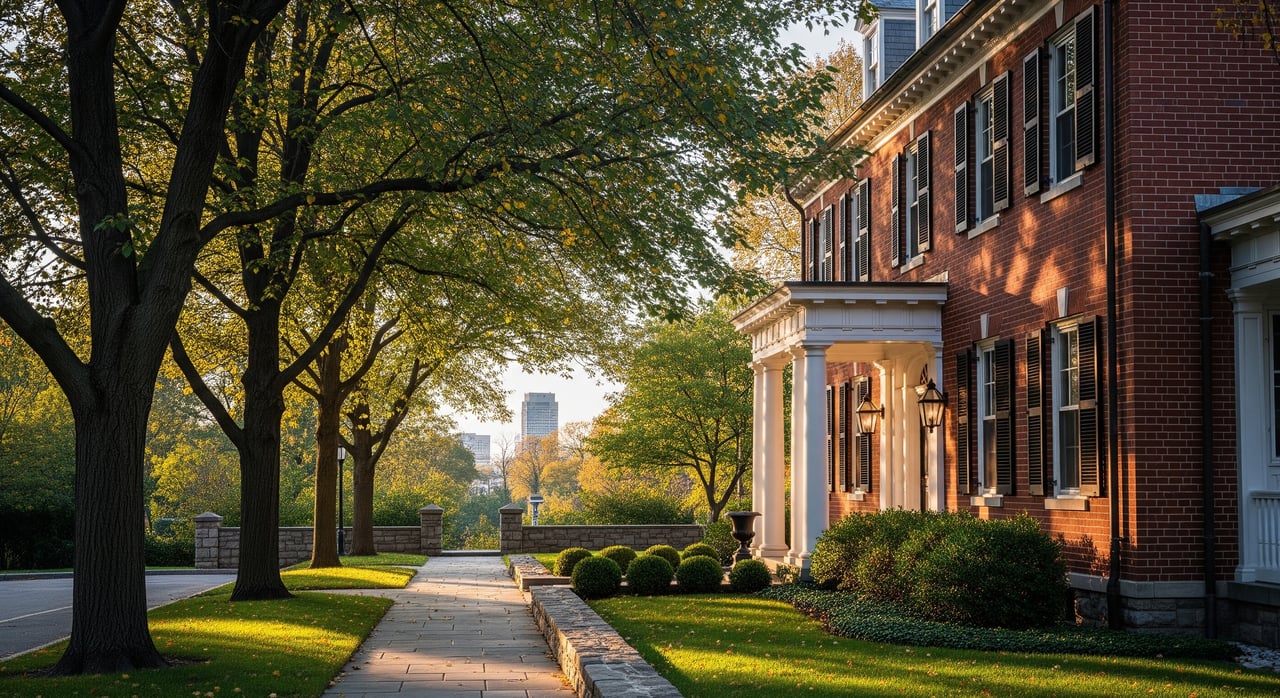
Looking for a suburban town with real everyday energy, good food, and an easy commute to Hartford? West Hartford gives you a little bit of everything: walkable village streets, classic homes on tree-lined blocks, and easy access to parks and trails. If you’re deciding whether it fits your lifestyle, you want a clear picture of the vibe, the neighborhoods, and what daily life actually looks like.
In this guide, you’ll see how the town is laid out, what housing options you’ll find, and what to expect from schools, parks, transportation, and costs. You’ll also get practical tips to choose the right pocket of town for your priorities. Let’s dive in.
West Hartford at a glance
West Hartford sits just west of downtown Hartford. It’s a mature, diverse suburban community with roughly 64,000 residents (2020 Census) and a mix of ages and household types. You’ll meet established professionals, families with school-age children, and long-time residents who love the town’s amenities.
People often describe West Hartford as a “suburban town with an urban feel.” That shows up in West Hartford Center’s walkable storefronts, the modern mixed-use Blue Back Square, and the quieter residential pockets that stretch north and south. The result is a place where you can grab dinner in the Center and be on a wooded trail ten minutes later.
Neighborhood feel by area
Every part of town has its own rhythm. Here’s a simple way to think about the main areas as you start your search.
West Hartford Center and Blue Back Square
This is the heart of the town’s walkable life. Blue Back Square, a newer mixed-use district, blends housing with shopping, dining, and entertainment. If you want to park once and stroll to cafés, boutiques, and services, this area is a top pick.
Bishops Corner
Bishops Corner is a busy commercial hub with everyday shopping and services. It’s more car-oriented than the Center, with larger retailers and easy access to main roads. Many nearby streets are residential, giving you quick convenience without living in a dense core.
Elmwood and southern neighborhoods
Elmwood offers varied housing and some of the town’s broader price ranges. You’ll find single-family homes, multifamily options, and access to major roads. If you value convenience to corridors and a mix of housing types, put this area on your list.
Reservoir area and northern residential blocks
Near the West Hartford Reservoir trails and other open spaces, these neighborhoods lean quieter. Streets feature many single-family homes and easy access to outdoor recreation. If you prioritize green space and a more residential setting, this area can be a strong fit.
Housing styles and budget planning
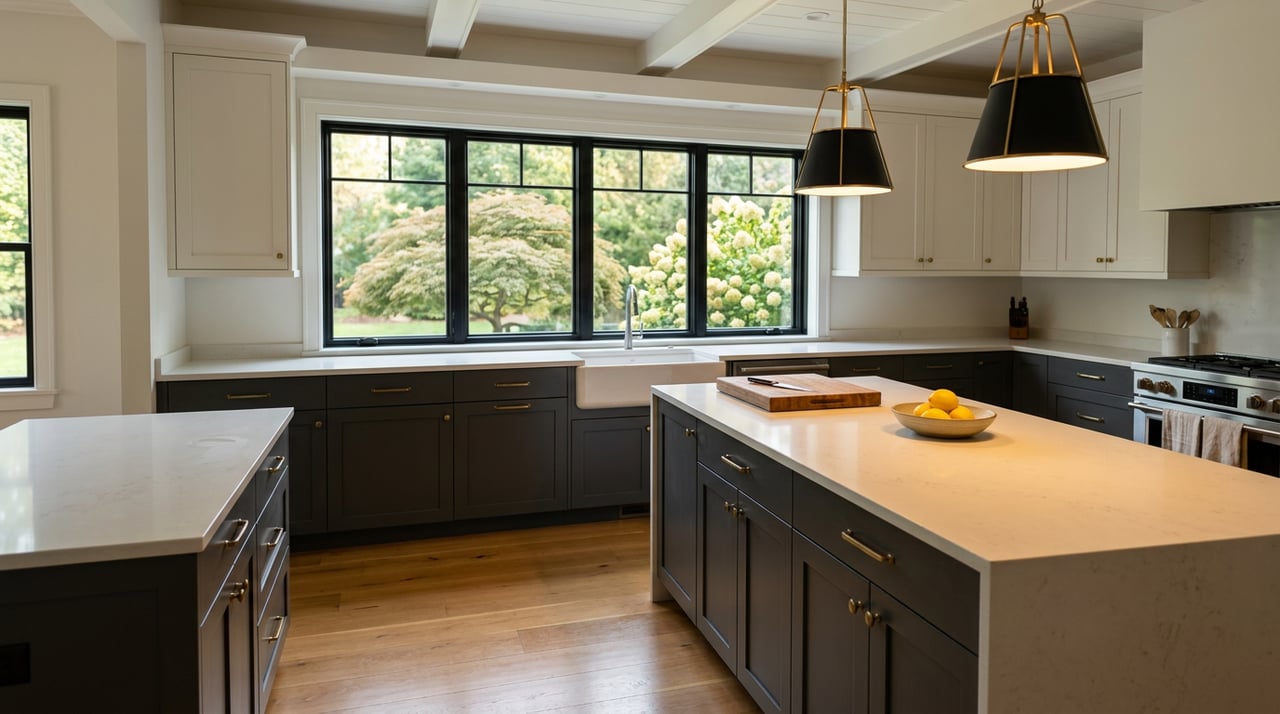
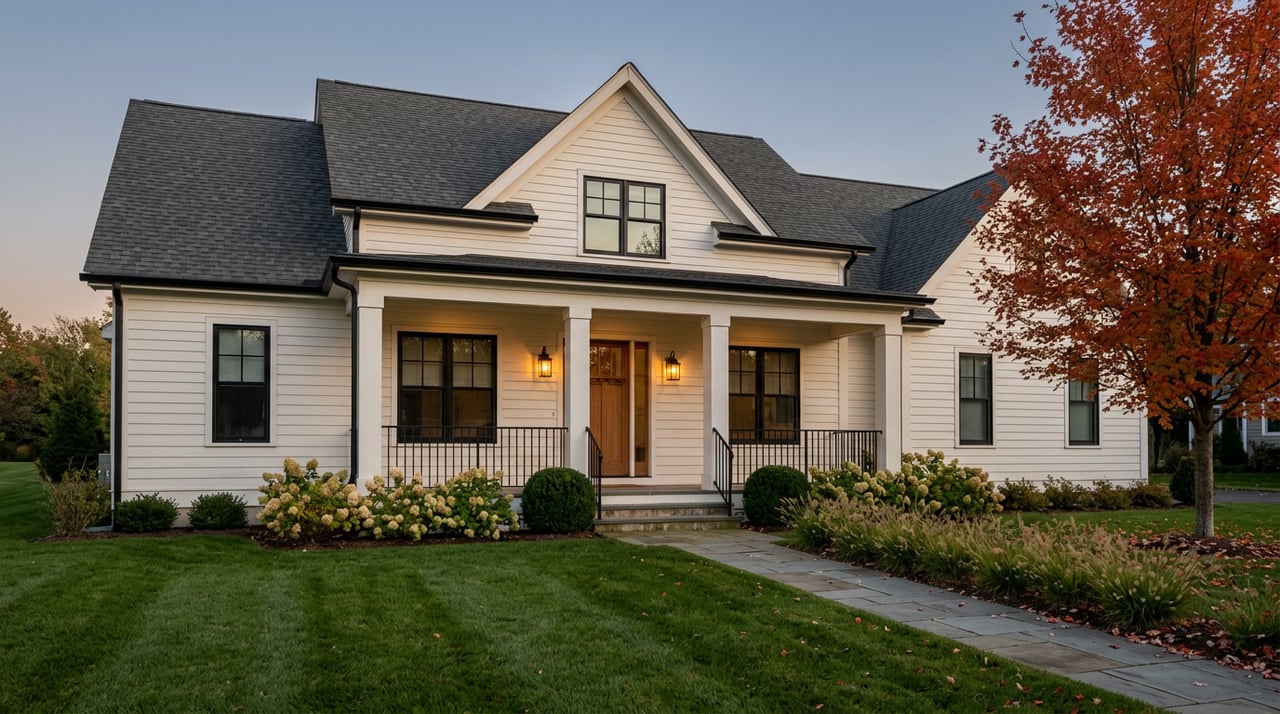
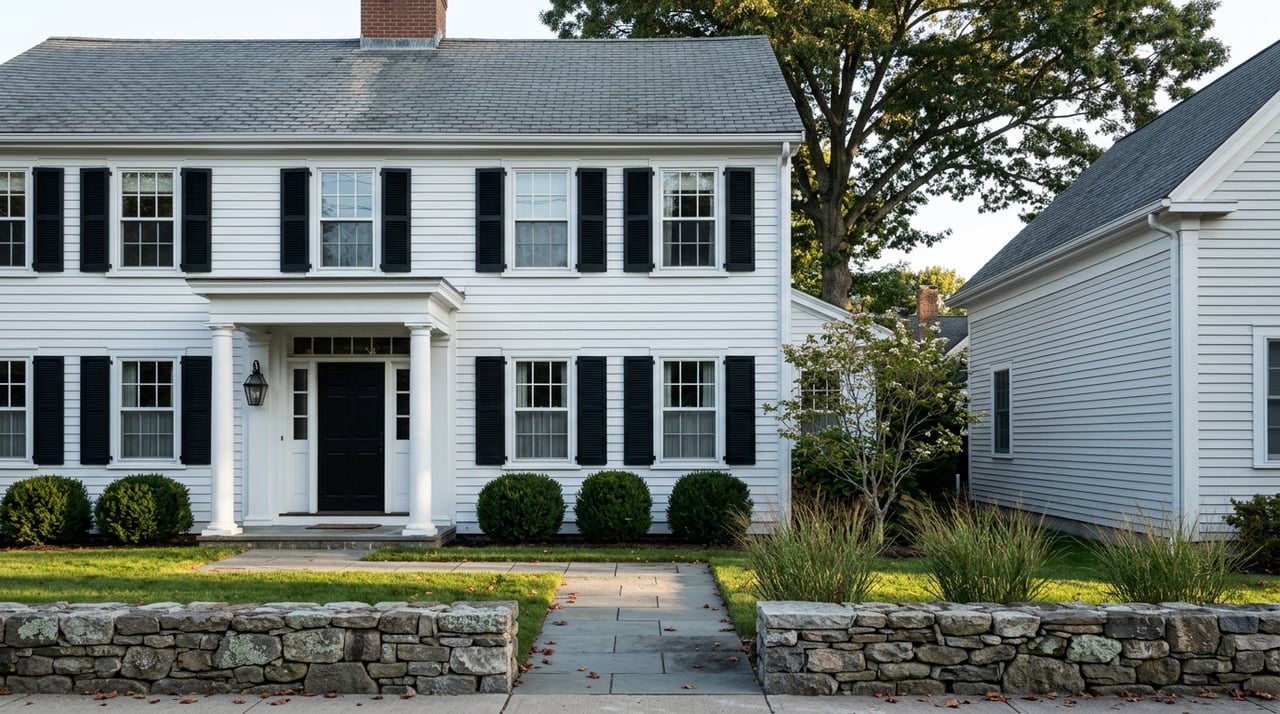
You’ll see a wide range of architecture as you tour West Hartford. Classic early 20th-century colonials and Tudors sit beside mid-century ranches and newer construction. Condominiums and townhomes are common near the Center and along major corridors, while single-family homes dominate many interior streets.
Prices vary widely based on location and school assignment. Proximity to West Hartford Center and Blue Back Square tends to command a premium, and lots, updates, and street position matter. A smart first step is to define your top priorities early, since the same budget can buy very different homes in different parts of town.
Consider the condition of older homes as you plan. Many have great character but may need updates such as roofs, HVAC, insulation, or windows over time. If you’re thinking about a first place, you’ll also find attainable options like condos and smaller single-family homes.
Schools and learning
West Hartford Public Schools operates the town’s public district, including two high schools, Hall and Conard. School assignments depend on your address, and programs can vary by building. For the most current boundaries, program details, and performance data, review the district’s resources on the West Hartford Public Schools website.
You’ll also find private and parochial options in and around town, plus universities nearby that add cultural and athletic events to the calendar. If schools are central to your decision, confirm assignment maps and explore program offerings before you focus on a specific neighborhood.
Parks, trails, and fresh air
Outdoor time is a big part of life here. The West Hartford Reservoir offers layered trails for walking, running, and dog-friendly outings, and it’s a favorite for daily exercise. You can be on a trail before or after work without a long drive.
Elizabeth Park is another standout. The historic rose garden draws visitors each season, and the grounds are a great place for a stroll or picnic. You can learn about the garden’s history and programs through the Elizabeth Park Conservancy.
For family-friendly programming, Westmoor Park blends a community farm with nature education and seasonal events. Check activities and visitor info directly through Westmoor Park. The town also offers recreation programs, pools, athletic fields, and nearby access to state parks and river spots for weekend adventures.
Dining, shopping, and local culture
If you like variety, you’ll appreciate the dining scene. West Hartford Center and Blue Back Square pack in cafés, bakeries, global cuisines, and gastropubs, while corridors like Bishops Corner and Albany Avenue cover daily shopping and services. You’ll also find small performance venues, seasonal street fairs, and active library and arts programming.
Community life is strong, with farmers markets, holiday events, and neighborhood meetups. To keep up with town services, activities, and municipal calendars, visit the Town of West Hartford website.
Getting around and the commute
Commuting into Hartford is straightforward by car via I-84 and other local routes. Many residents work in or around the city and find drive times typical for the region. For bus service, you can explore routes and schedules through CTtransit and the rapid-bus network at CTfastrak.
If you need regional rail, Union Station in Hartford connects to Amtrak and the CTrail Hartford Line. You can review regional service and schedules on the Hartford Line. For air travel, Bradley International Airport is typically a 20 to 35 minute drive depending on traffic.
Practical living: taxes, services, and seasons
Connecticut property taxes vary by town, and West Hartford’s budget supports schools, parks, and municipal services. It’s smart to factor taxes into your long-term monthly plan, along with any special assessments or planned public projects. The town’s site is the best place to follow budget discussions, services, and public works updates via the Town of West Hartford.
New England seasons are part of the experience. Plan for winter snow removal, heating costs, and seasonal yard work. If you’re considering an older home, budget for insulation upgrades or mechanical updates over time.
Healthcare access is straightforward, with major hospitals and specialty centers in nearby Hartford and local clinics in town. For safety context, West Hartford is generally viewed as safer than denser urban areas, but conditions vary by neighborhood and time of day. For the most recent data, review local police reports or regional crime statistics.
How to choose your best-fit pocket
Use this simple process to match your lifestyle to the right neighborhood:
- Define your non-negotiables: walkability, lot size, number of bedrooms, commute, and school assignment.
- Map neighborhoods to school zones using West Hartford Public Schools, and confirm any magnet or program options.
- Test your commute at peak hours, and compare driving to CTtransit or CTfastrak alternatives.
- Visit at different times of day to check traffic patterns, street parking, and noise near major roads.
- Review nearby home ages and typical update levels so you can estimate renovation or maintenance needs.
- Check town agendas and notices on the Town of West Hartford for upcoming public projects or fees that may affect taxes or quality of life.
The bottom line
West Hartford offers a balanced lifestyle: lively village streets when you want them, quiet blocks when you need them, and daily access to parks and trails. You’ll find diverse housing, respected public schools, and straightforward commuting options across Greater Hartford. With clear priorities and a local plan, you can zero in on the right street and home.
If you want a guide who knows the micro-markets, school boundaries, and how different streets price out, our team can help you compare neighborhoods and move with confidence. Ready to explore listings, plan tours, or get a data-backed pricing strategy for your current home? Connect with the Burgio Sousa Team to get started.
FAQs
How long is the commute from West Hartford to downtown Hartford?
- Many residents drive into Hartford using I-84 or local routes, and commute times are typical for the region; you can also use CTtransit or CTfastrak depending on your schedule.
How do school assignments work in West Hartford?
- Public school assignments are based on your home address; review boundary maps, programs, and enrollment details on the West Hartford Public Schools site before you focus on a specific neighborhood.
Where are the most walkable areas in West Hartford?
- West Hartford Center and Blue Back Square offer the highest concentration of walkable dining and shopping, while areas like Bishops Corner and Albany Avenue provide car-friendly access to services.
What housing styles are most common in West Hartford?
- You’ll see early 20th-century colonials and Tudors, mid-century ranches, newer colonials and ranches, plus condos and townhomes near major corridors and the Center.
What parks should I visit first when I tour the town?
- Start with the West Hartford Reservoir trails for outdoor exercise, then visit the rose gardens at Elizabeth Park Conservancy and family programs at Westmoor Park.